
 nate
nate 
DRC and Chad: Prevent and responding to health crises more effectively
Democratic Republic of Congo and Chad
Health systems in Chad and the Democratic Republic of the Congo face enormous challenges, including outbreaks of Ebola, mpox and cholera, population displacement caused by conflict and flooding, and severe cuts to international aid that have destabilized entire communities.
Oxfam-Québec, Santé Monde and their local partners—with support from Global Affairs Canada—have launched an ambitious seven-year project to help build stronger, more resilient health systems in these two countries so they can better withstand conflicts, epidemics and natural disasters.
Project to Strengthen the Resilience of Health Systems (PRESYS)

241 873 people reached
(70% of whom are women and adolescent girls)
Democratic Republic of the Congo (Kinshasa and Équateur Province) and Chad (Lac and Bahr El Ghazal Provinces)

2025-2032
Working closely with care facilities and community organizations, PRESYS empowers women, adolescent girls and other vulnerable individuals to fully exercise their right to health.
It addresses the root causes of health inequalities experienced by women and adolescent girls, particularly those affecting sexual and reproductive rights.
The three pillars of PRESYS:
- Expanding equitable access to sexual and reproductive health services through:
- Mobile clinics that bring essential health services to women and adolescent girls in remote communities
- Training healthcare workers to provide inclusive, respectful care that meets the needs and upholds the dignity of women, adolescent girls and marginalized groups
- Rehabilitating and equipping health facilities using sustainable approaches
- Strengthening the autonomy of women and adolescent girls regarding their health through awareness activities and support for local initiatives promoting sexual and reproductive health rights
- Advancing health rights through stronger governance and advocacy by building the capacity of community leaders, feminist organizations and civil society actors working to promote gender equality
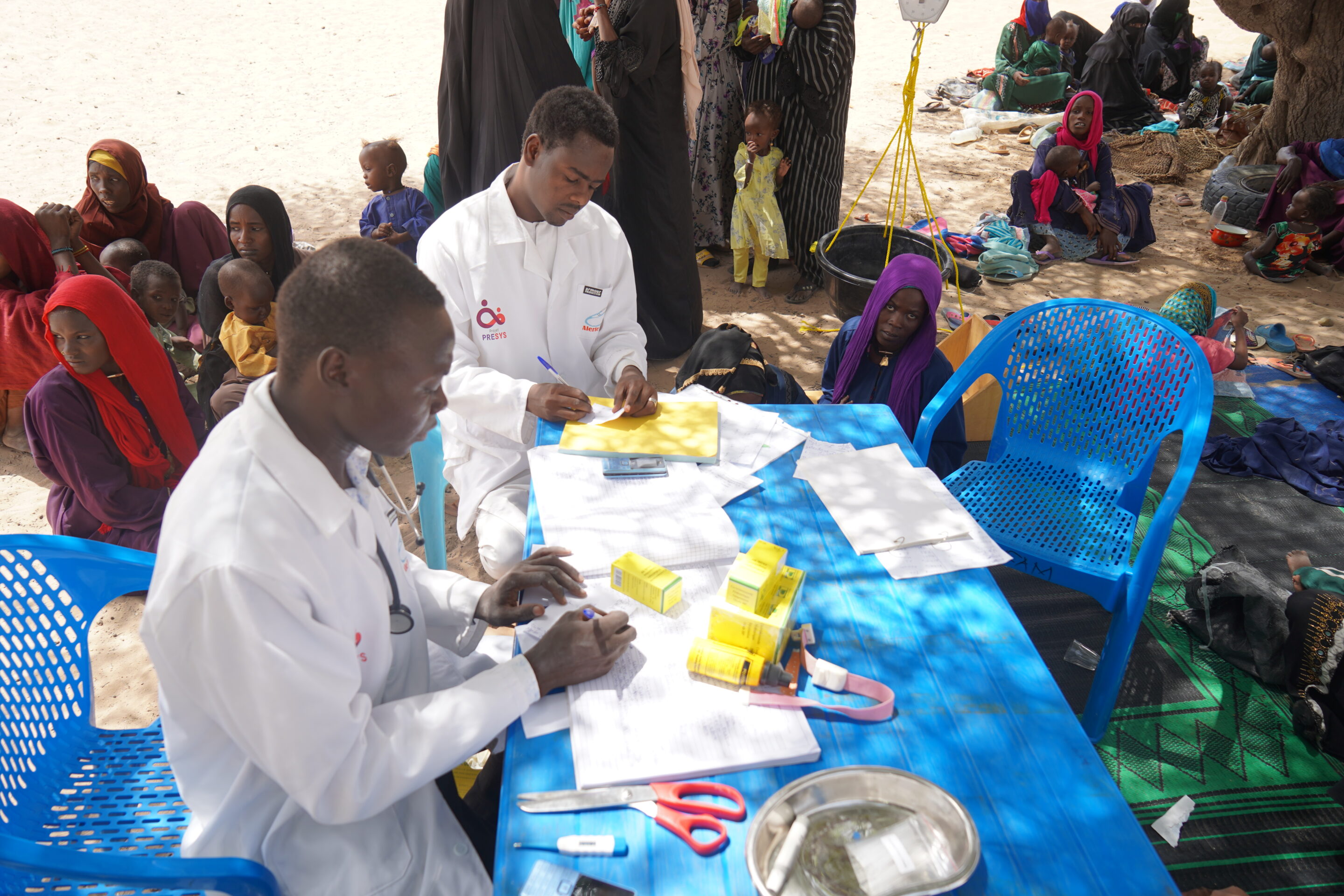
© Sanoussi Sahabi Moussa/Oxfam in Chad
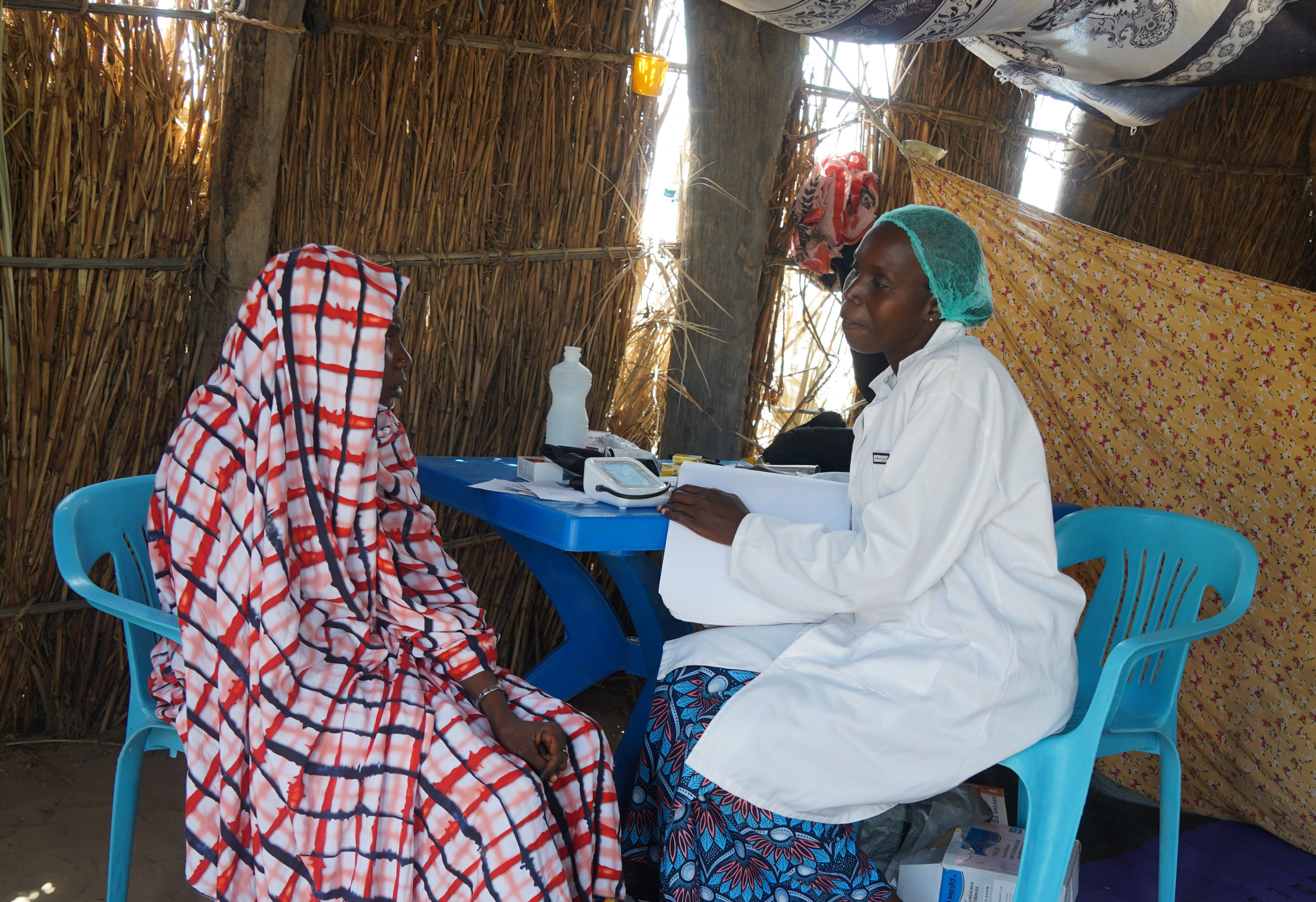
A mobile clinic that provides basic healthcare travels weekly to remote areas of Bahr El Gazal province, Chad.
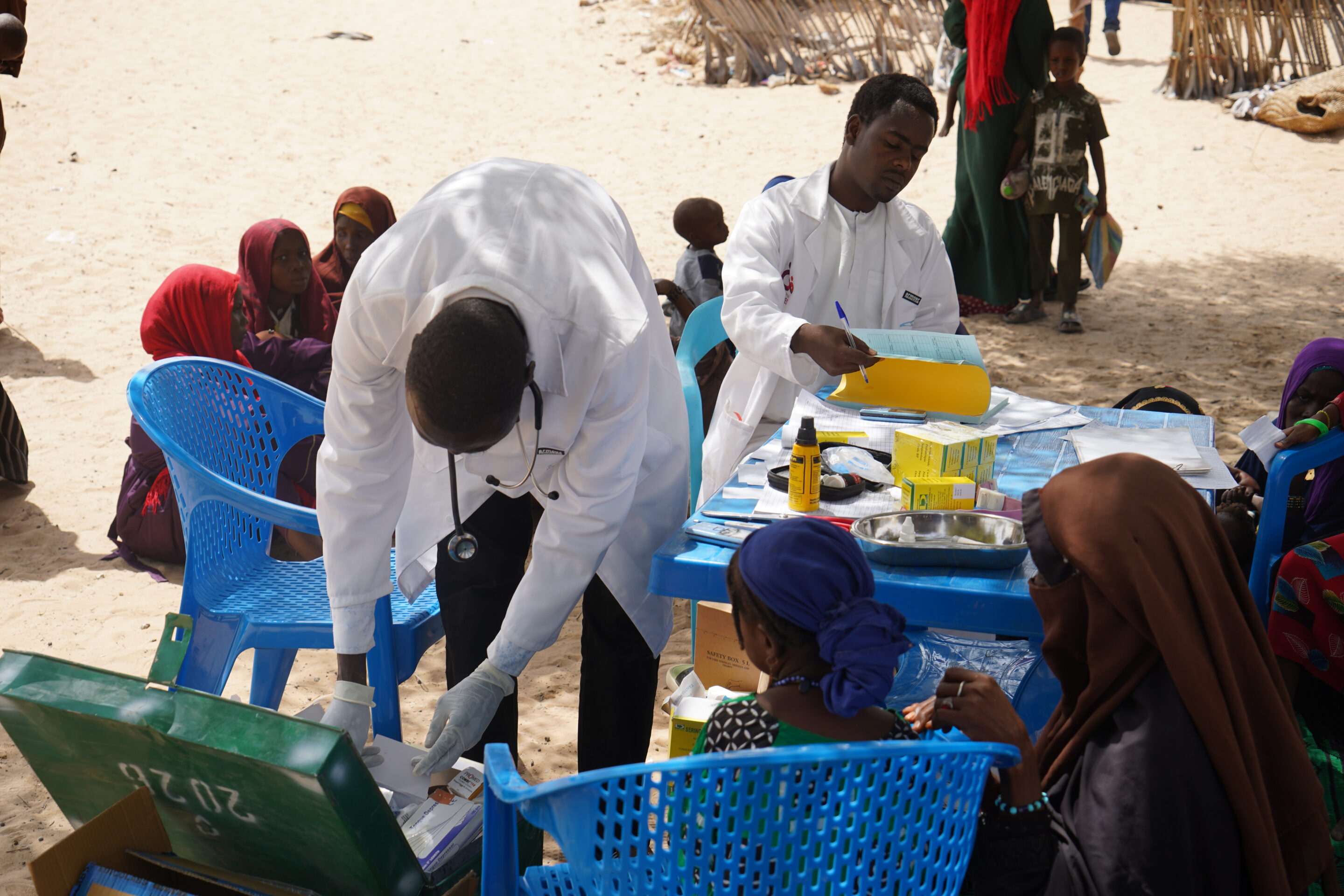
© Sanoussi Sahabi Moussa/Oxfam in Chad
The mobile clinic provides basic care for pregnant women and children.
Key indicators to measure impact
The project’s impact is measured regularly using key indicators including:

The proportion of women and adolescent girls who feel free to consult a healthcare professional
The proportion of women who have access to reliable methods of contraception when they want them
The number of healthcare professionals trained in epidemiological surveillance
The number of people trained in health crisis management
The proportion of men and adolescent boys who adopt a positive attitude toward women’s health, rights and well-being
Tangible impact in Chad in the first year
During its first year of implementation, the project faced a particularly alarming cholera outbreak in Chad’s Bahr El Ghazal Province.
The PRESYS team, supported by local leaders from Alerte Santé, launched a rapid emergency response combining healthcare with access to safe drinking water, sanitation facilities and hygiene supplies—all essential for stopping the disease from spreading.
- Access to safe drinking water was improved by securing the water supply to a key health centre.
- 2,159 people were educated on hygiene practices to prevent the disease.
- 500 vulnerable households received hygiene kits to protect themselves immediately.
© Sanoussi Sahabi Moussa/Oxfam in Chad
The mobile clinic provides basic care for pregnant women and children.
These measures have helped curb the transmission of cholera and bring about lasting improvements in disease prevention in a particularly vulnerable area.
Detecting a critical case: The story of Fatimé Zara
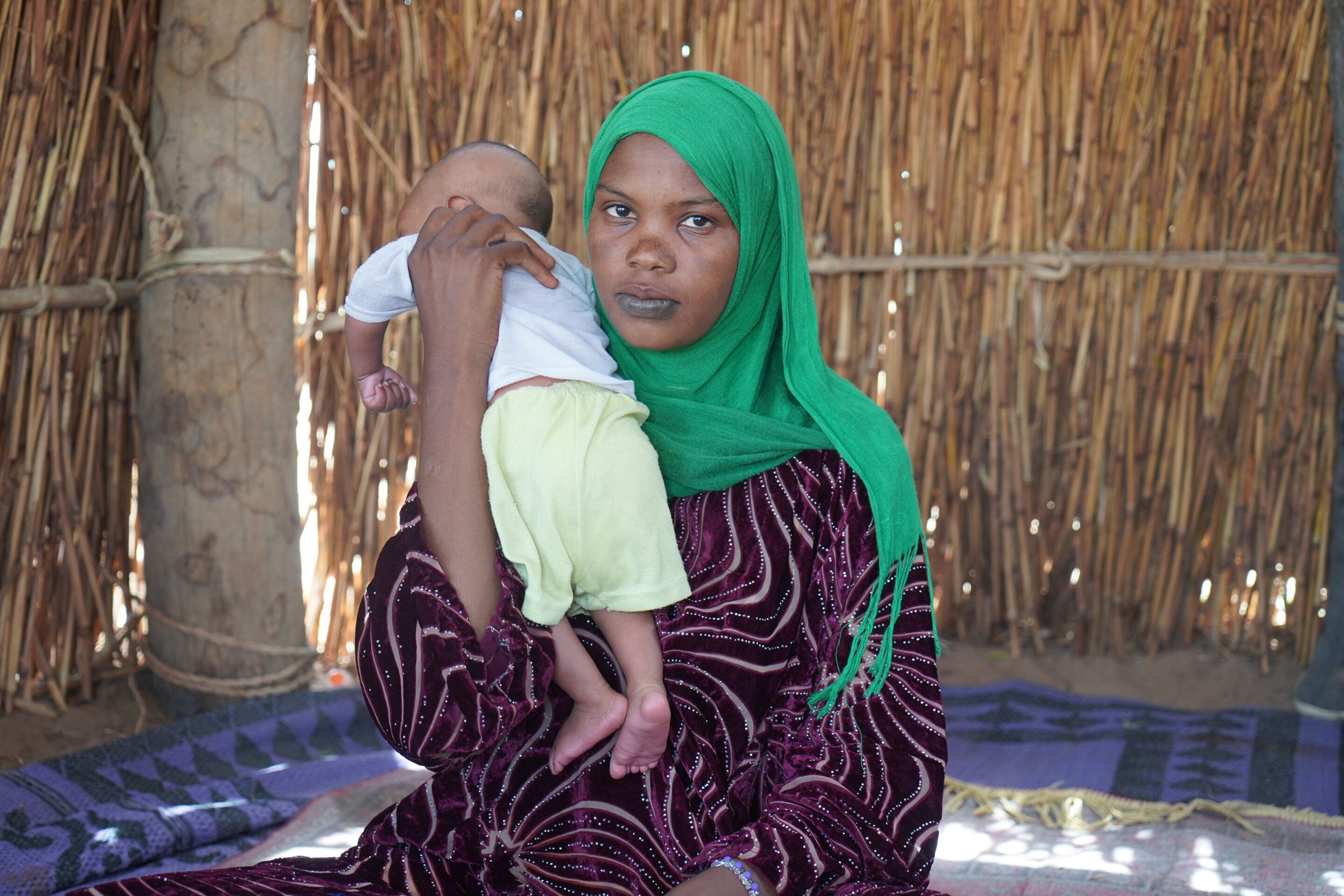
© Sanoussi Sahabi Moussa/Oxfam in Chad . Fatimé Zara Mahamat Oumar and her child.
« I’m grateful to have access to free healthcare for ourselves, our children and our entire community.»
In Chad, maternal mortality is a major public health challenge. In remote areas, women have no access to prenatal care and often give birth at home without the assistance of a midwife. Postpartum hemorrhages are often fatal.
The Kamkalaga Integrated Health Centre in Bahr El Ghazal Province serves several villages that are far apart and difficult to reach. Through PRESYS, a mobile clinic affiliated with the health centre has been established. Each week, it provides essential healthcare services, including pediatric consultations, vaccinations, malnutrition screening, prenatal and postnatal care, and emergency deliveries. It also transfers critical cases to more specialized health facilities.
It was at this mobile clinic that 26-year-old Fatimé Zara Mahamat Oumar, a mother of four, sought help. She had been suffering from severe, continuous bleeding since giving birth at home 20 days earlier without medical assistance.
Recognizing the urgency of her condition, the clinic’s midwife immediately referred her to the Kamkalaga Integrated Health Centre. After two days of care, her condition began to improve.
Fatimé Zara was eventually able to return home with instructions to seek immediate medical attention if her symptoms reappeared. Today, she has made a full recovery and is once again able to care for her family.
Breaking taboos about sexual health
© Christian Malu/Oxfam in the DRC.
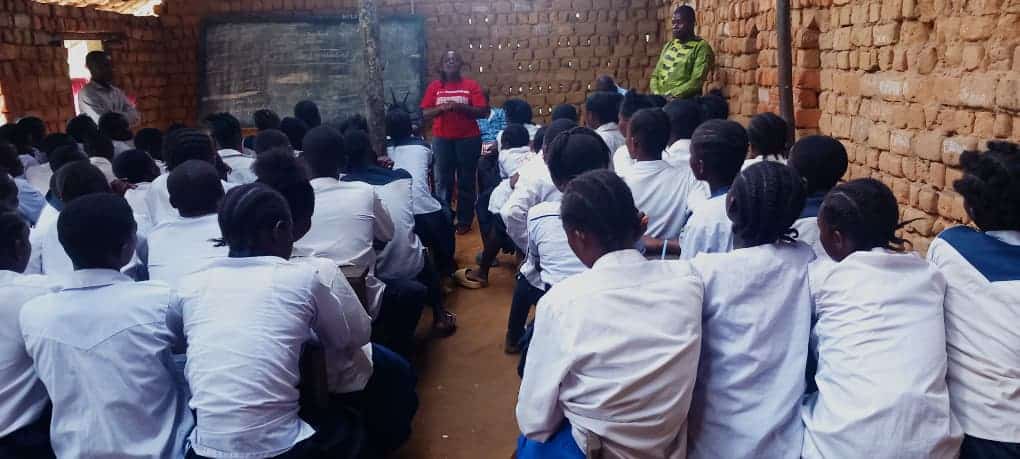
Young people take part in an educational talk led by a Congolese organization supported by the PRESYS project.
Like other teenage girls in her community, 15-year-old Chanelle Bosomobi was having unprotected sex and had contracted an infection. For her, asking for help at a health centre was unthinkable. One day, she attended an educational session led by a Congolese organization supported by PRESYS. It focused on sexually transmitted infections. Her perception changed.
« I was afraid of the nurses. I didn’t want them to tell my parents or friends about my condition. Meanwhile, my condition was getting worse. I was ashamed, but I didn’t say anything.
« During the talk, the facilitators emphasized the importance of getting medical help quickly to avoid serious complications. As I listened to the other girls’ stories, I felt like they were telling my story.
« The nurse at the health centre was professional and welcoming. He prescribed a treatment for me. Today, I’m cured. I’ve learned to love and respect my body, and I always insist that my partner use a condom.»
Ce projet est mené :
Pour aller plus loin
 Découvrir d’autres projets menés à l’international
Consulter les offres de mandats disponibles
Faire un don pour soutenir nos projets