
 nate
nate 
Having the power to choose in sexual and reproductive health
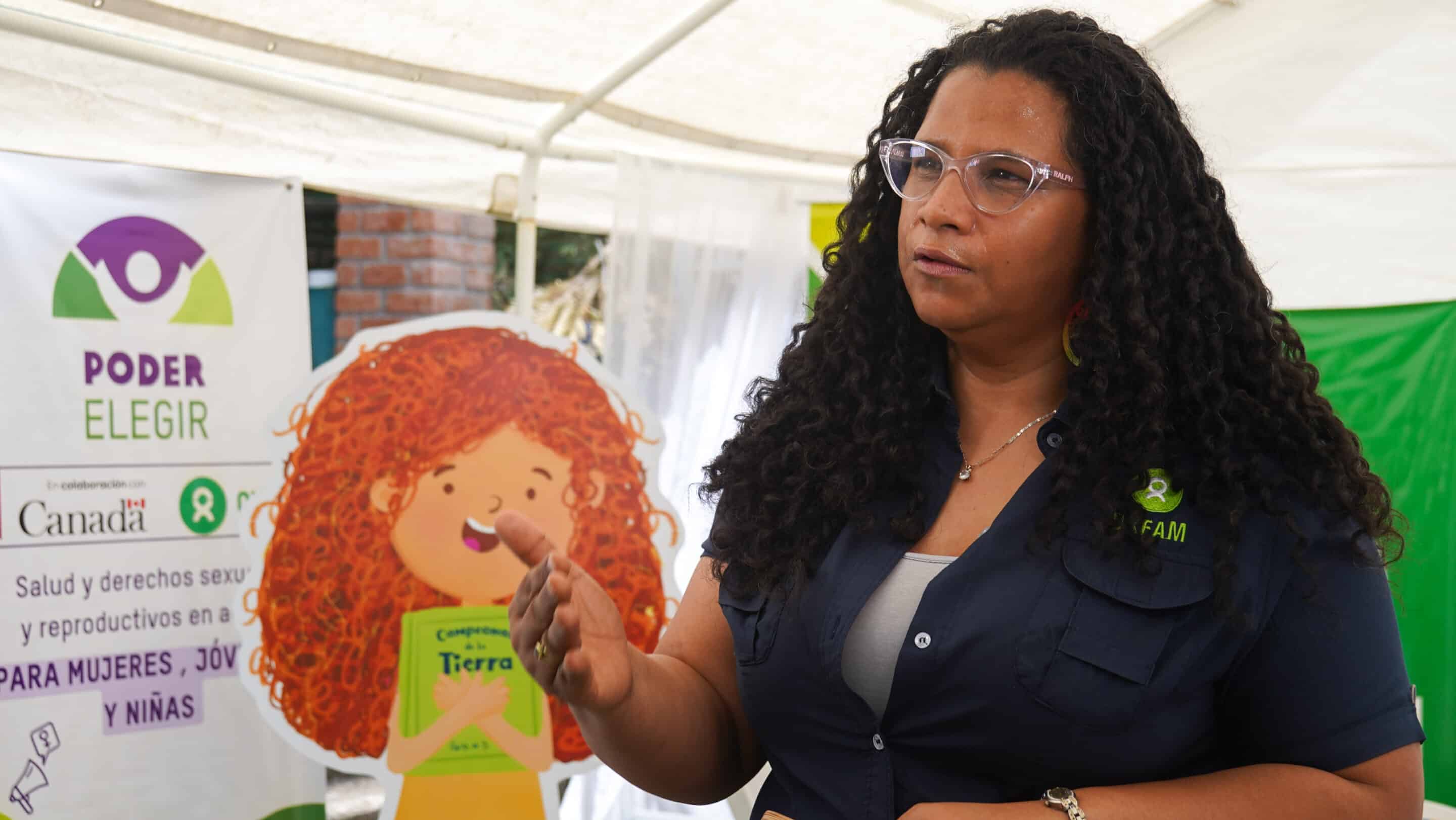
Being a woman is still synonymous with inequality. In some countries, gender inequities are more pronounced. Women cannot decide whom to marry or how many children to have. Sometimes they cannot access healthcare. Through its «Power to Choose» program, Oxfam-Québec and its partners are working to give women and adolescent girls greater freedom and autonomy in terms of sexual and reproductive health and rights. How? Mainly by challenging the standards and practices that prevent them from deciding for themselves.
“Power to Choose” PROGRAM:

Sub-Saharan Africa,
Middle East and Latin America
(7 countries)

50,000 people targeted (70% women and adolescent girls)

2021 – 2028
(7 years)
This program is present in these 7 countries: Bolivia, Honduras, Jordan, Lebanon, Occupied Palestinian Territory, Ghana and Democratic Republic of Congo
Power to Choose in Québec
In Québec, Power to Choose promotes public engagement on sexual and reproductive health and rights issues. Oxfam-Québec is proud to have partnered with the organization Les 3 sex* to conduct participatory action research with Québec youth (15–22 years old) and develop a digital awareness campaign and their political influence actions.
Concrete results after five years of action
Since 2021, Power to Choose has been helping adolescent girls and women make informed choices about their sexual and reproductive health and rights, with results exceeding initial targets.
In 2025–2026 alone:
- 72,886 people were reached directly, 74% of whom were women and girls.
- More than 52,500 people participated in activities that empower adolescent girls and women.
- Nearly 20,000 people received improved sexual and reproductive health services.
- 137 health facilities were supported with training, coaching or specialized equipment.
- Awareness was raised in more than 793,000 people through the program’s outreach and influence activities.
Every year, our partners see greater awareness of rights, greater confidence among young women, increased access to health services and growing support for gender equality in communities.
Our 3 pillars to promote sexual and reproductive health

Empowering women, youth and communities
Improving the quality of health services
Influencing policies and practices
« I was nearly forced to get married. Thanks to what I learned with Power to Choose, I realized that early marriage was a violation of my rights. I reported the situation to the Power to Choose team. They went to my parents’ home to talk to them. My parents understood the harm this could cause and decided not to proceed with the marriage. Now I am pursuing my education without any pressure or fear. This story is important to me because it saved my future. »
« When I was growing up, my attitudes were influenced by my environment. My friends and I often believed that condoms reduced sexual pleasure. (Through the Power to Choose program), we discussed topics such as respect for the partner’s choices, communication in a relationship and shared responsibility. These discussions made me realize that my previous attitudes could put not only my own health at risk, but my partner’s as well.»
« This is a project that supports human rights. When women and adolescent girls can make sexual and reproductive choices, they can also choose to complete their education, earn an income and participate in community or political life. »
Empowering Women and Adolescent Girls
To make informed choices, people need access to accurate and reliable information. That’s why Oxfam-Québec and its partners are working to establish:

Comprehensive sexuality education programs for young women and adolescent girls
Awareness campaigns on contraceptive methods, abortion, women’s rights, LGBTQ+ rights and gender-based violence
Programs to help youth become change leaders
Online spaces for youth to learn and express themselves in their communities
Our 2025–2026 results:
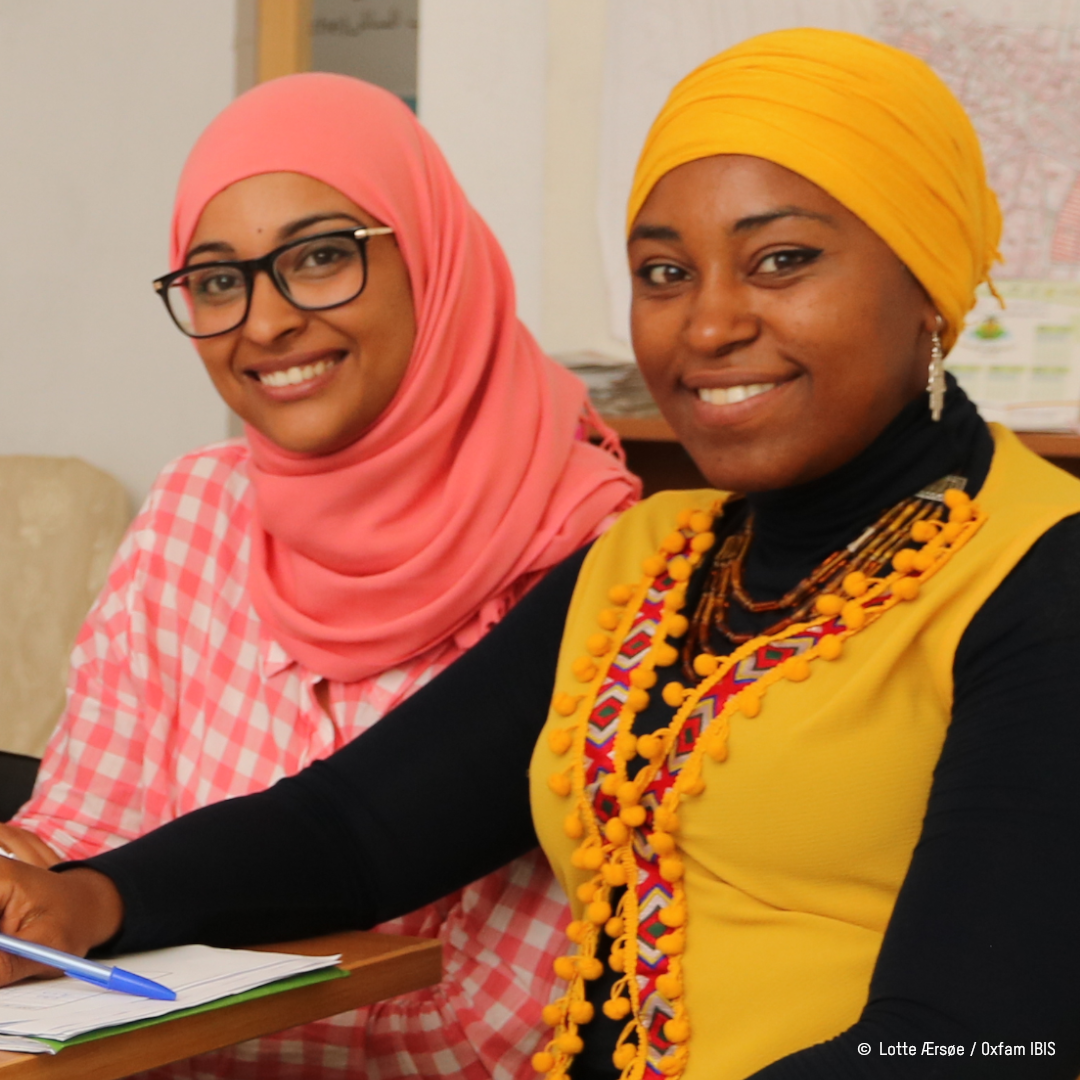
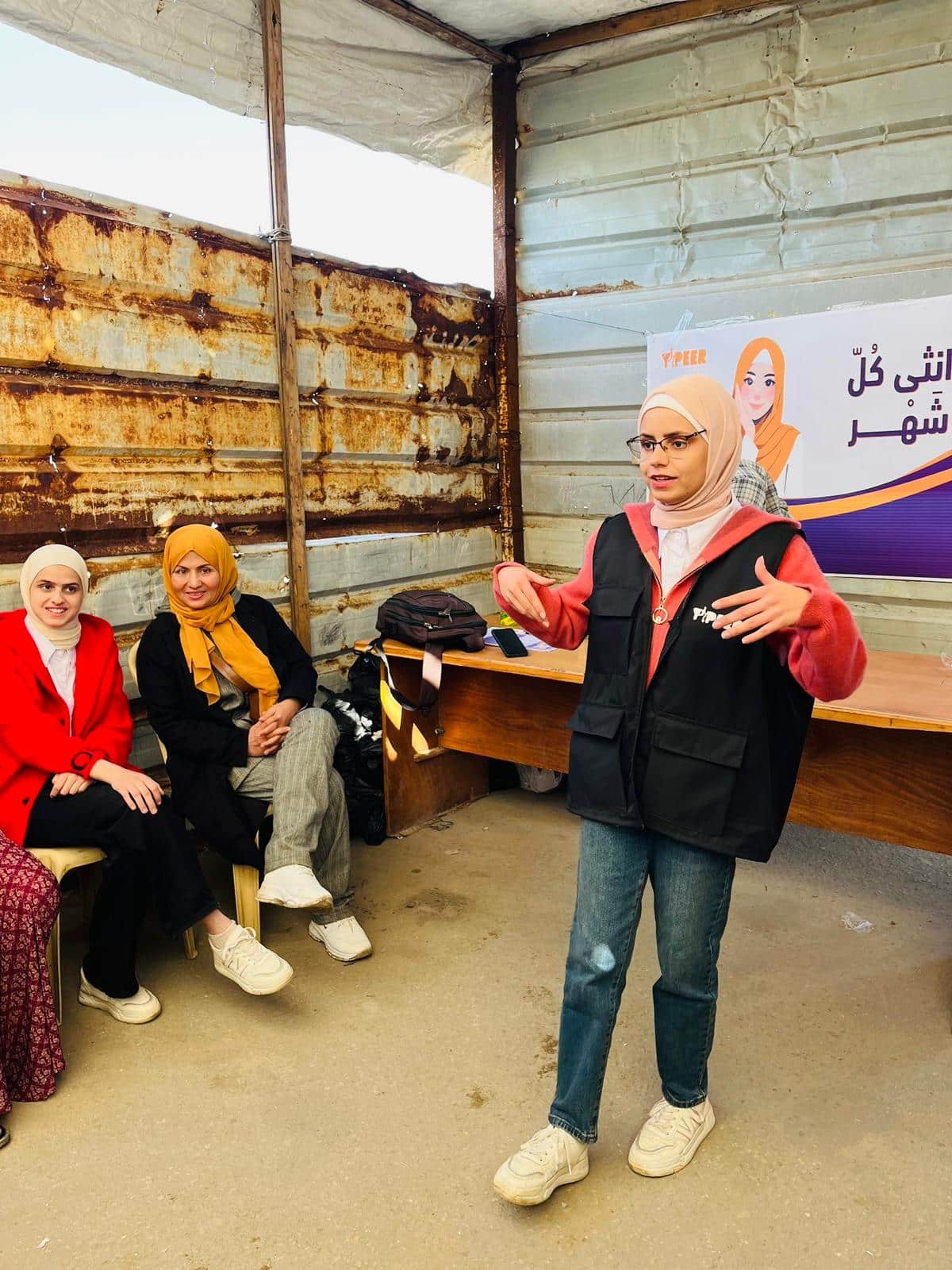
- More than 8,700 youth participated in comprehensive sexuality education courses.
- More than 1,100 young leaders were trained to act as agents of change in their communities.
- Over 100 physical and virtual safe spaces allowed youth to access reliable information, support and referrals to appropriate services.
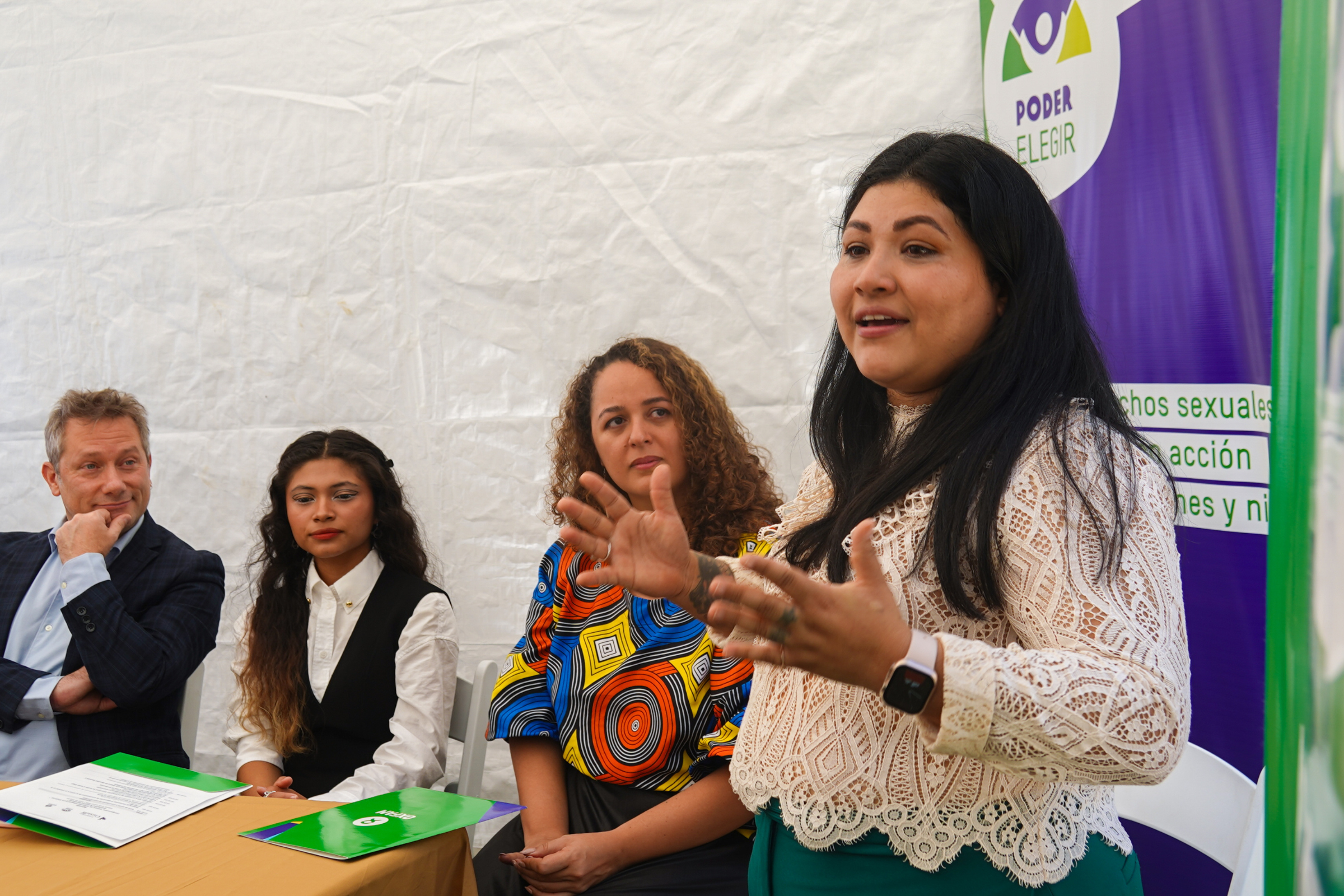
« I really like working with young girls. They don’t always have the opportunity to express themselves, but when they do, what they have to say transforms the way people think.»
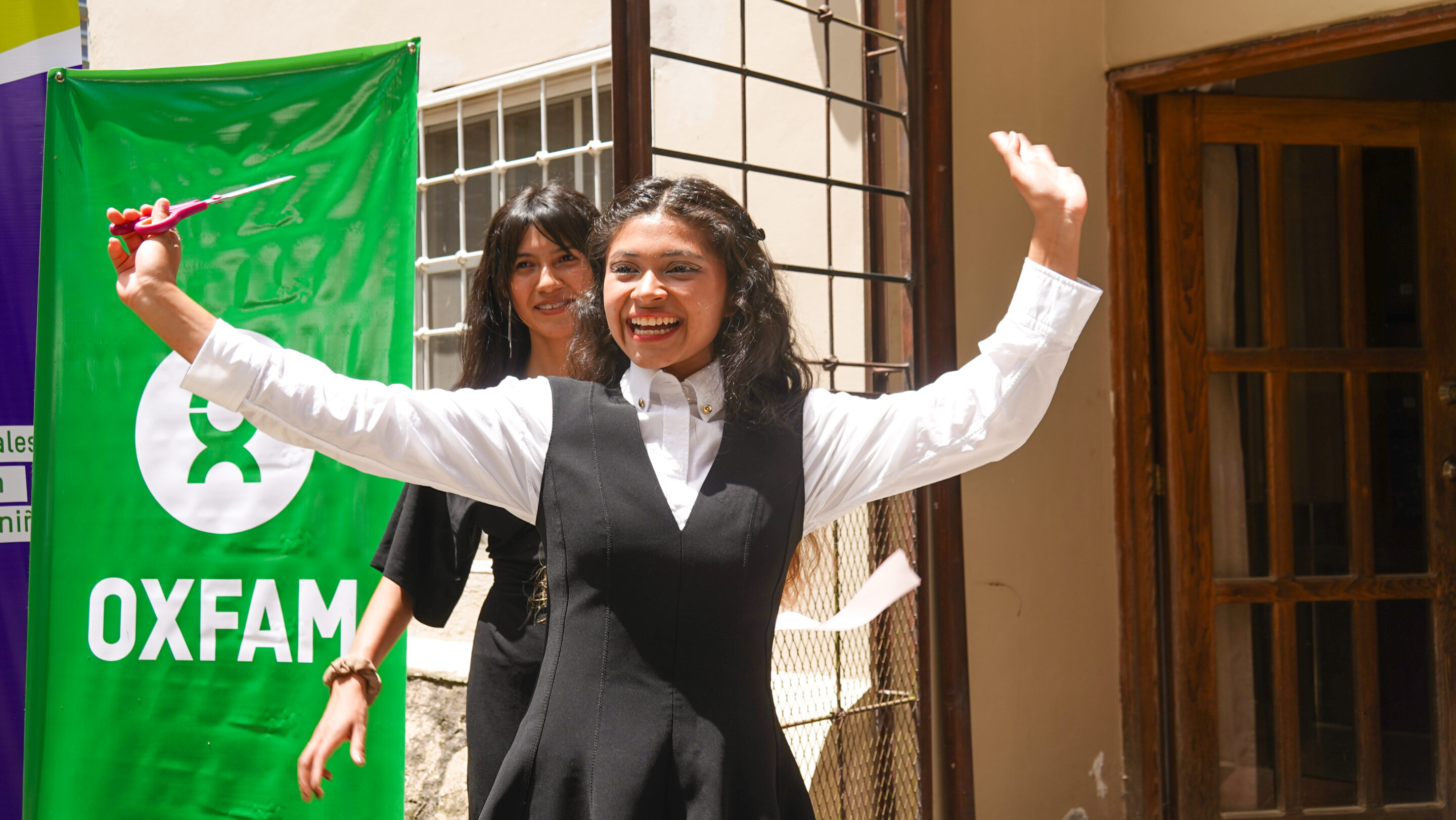
A new integrated care clinic for women and girls in Valle de Angeles, Honduras, has been inaugurated with partner organization Artemisia.
Crédit: Oxfam-Québec
« This is a place that will change the lives of hundreds of adolescent girls like me who do not always know who we can turn to.»
Improving the quality of health services
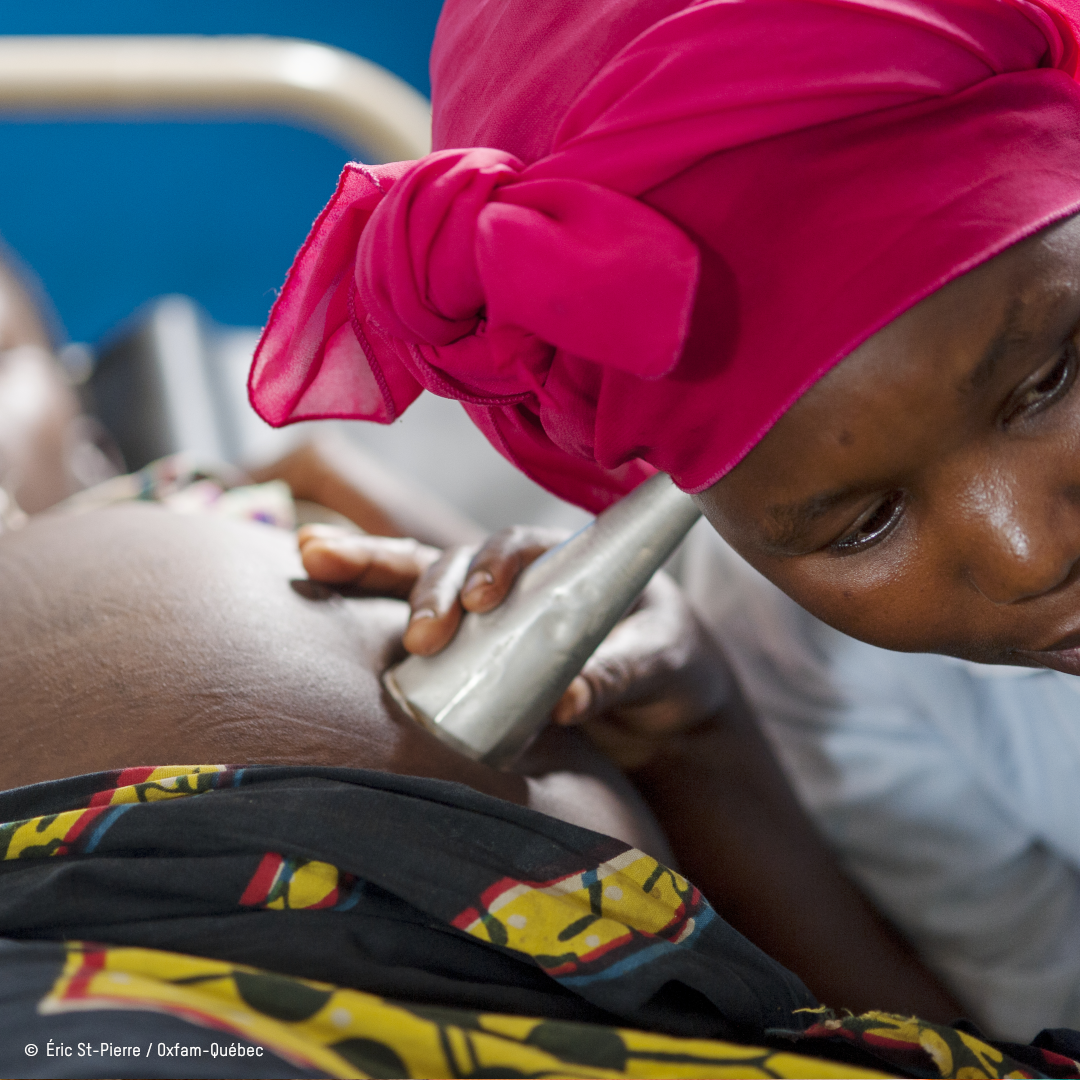
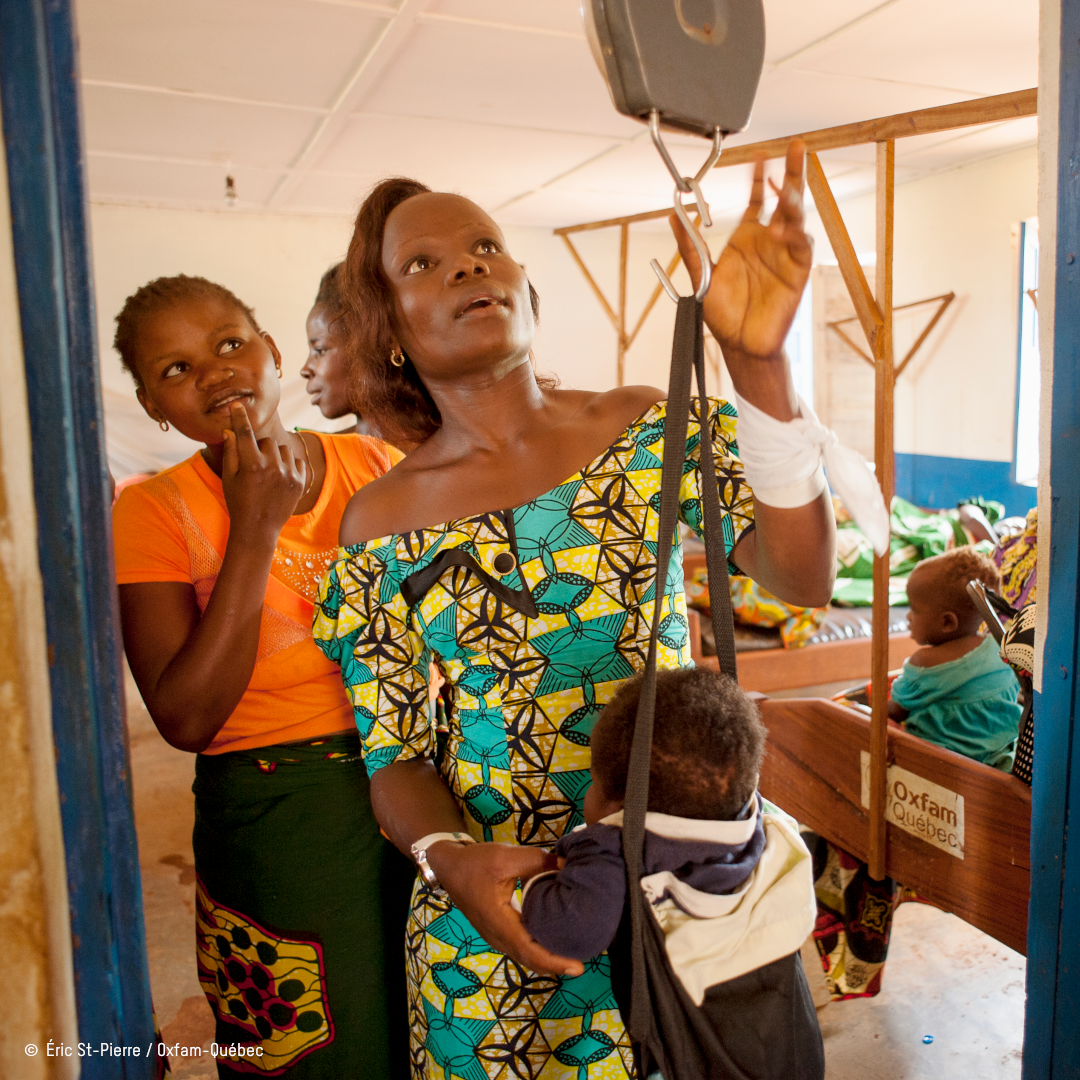
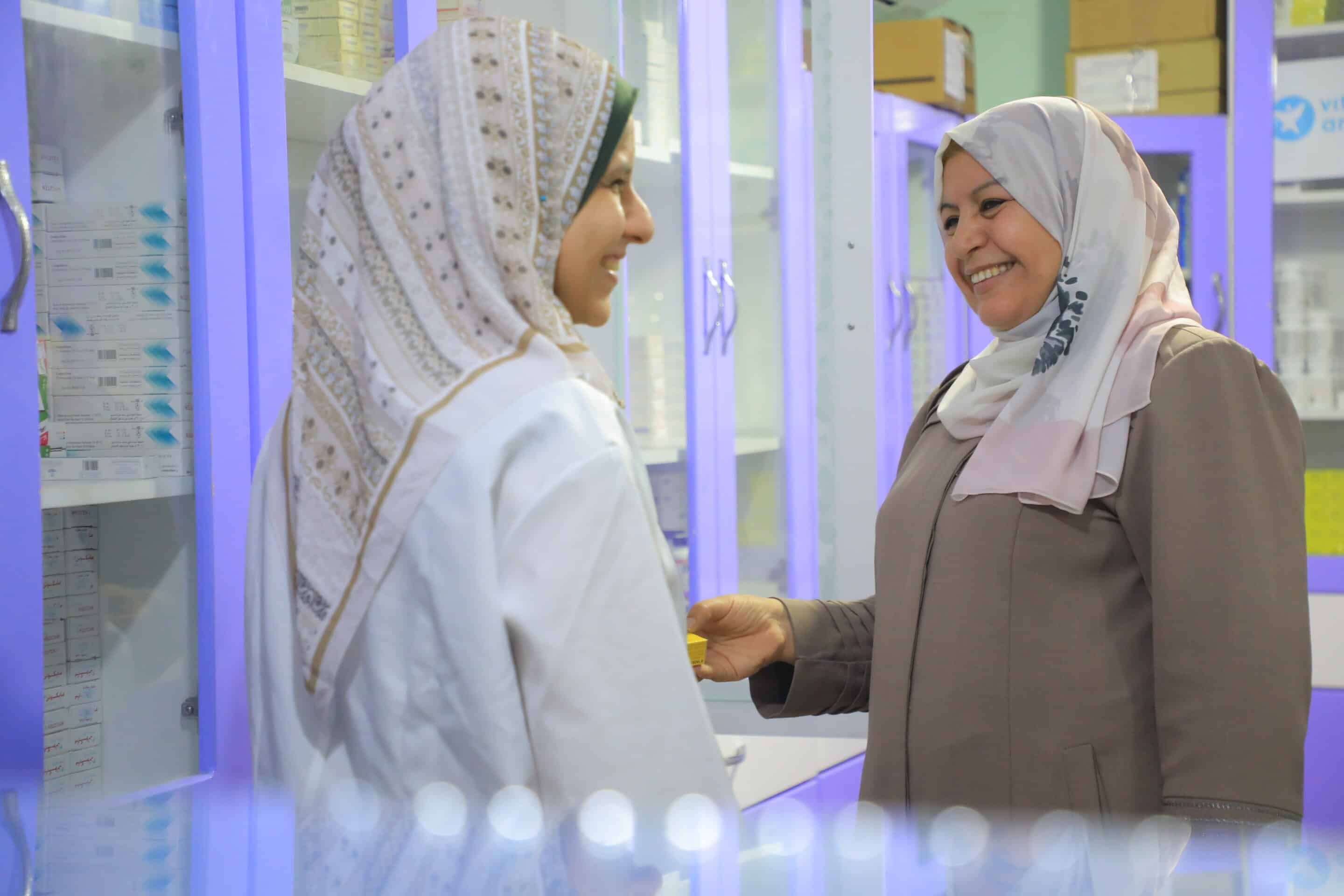
It’s not enough to inform women about their rights and the available services. They also need to be able to count on high-quality healthcare and support.
Provide a series of courses for healthcare staff (caring welcome, respectful care, obstetric and neonatal care, family planning and gender-based violence)
Support healthcare facilities in the acquisition of medical products and equipment
Renovate existing sanitary facilities and upgrade water supply systems
Our results:
- 137 healthcare facilities have received technical or material support.
- More than 120 new sexual and reproductive health services have been created or enhanced since the program began.
- Hundreds of health professionals have been trained to provide more inclusive, respectful and non-judgmental services.
- In several countries, young women report feeling more welcome, listened to and respected when accessing health services.
Influencing policies and practices
Legal and social norms restrict the rights and choices of women and adolescent girls in many countries.
Through the efforts of partner organizations, women’s groups, young leaders and engaged communities:

Sexual and reproductive health and rights policies and practices have been adopted or strengthened in several countries.
Young people have been directly involved in advocacy with political and institutional leaders.
The program has helped advance efforts to prevent early marriage, gender-based violence and discrimination.
These advances help create an environment that is more supportive for women’s and adolescent girls’ autonomy and rights.
3 things you need to know about Oxfam-Québec’s approach

Sustainable approach
By promoting the power and autonomy of communities, Oxfam-Québec ensures that actions have a lasting impact.

Inclusive approach
Oxfam-Québec’s activities focus on women and youth, including people from LGBTQ+ communities and people who are displaced, in rural areas or living with a disability.

Local approach
Oxfam-Québec adapts its actions to the communities, their realities and their needs.
Taking action for sexual and reproductive justice
 Do you care about women’s health and rights? You can make a difference in sexual and reproductive justice by supporting this program now.
 Donate

Dans le cadre de sa Politique d’aide internationale féministe, le Canada a lancé un engagement de 10 ans visant à améliorer la santé et les droits des femmes et des filles dans le monde (2020-2030).
Pour aller plus loin
 Découvrir d’autres projets menés à l’international
Consulter les offres de mandats disponibles
Faire un don pour soutenir le programme