
 nate
nate 
Ebola Emergency in the Democratic Republic of the Congo
Join us in helping communities and local partners recover sustainably from disasters like this one.
 Donate now
An Epidemic Compounding a Severe Humanitarian Crisis
Eastern Democratic Republic of the Congo (DRC) is facing a serious Ebola outbreak. The rapid spread of the virus is affecting millions of people who are already facing the lasting consequences of decades of conflict and a major humanitarian crisis.
With more than 2,325 deaths and nearly 5,000 confirmed cases, the outbreak is now considered the fastest-spreading Ebola epidemic ever recorded, according to the United Nations. The virus claims one life every 30 minutes, and the number of reported cases continues to rise each week.
Since the outbreak was declared in May, Oxfam and its local partners have been mobilized to support communities fighting the spread of the virus.
The Ebola Outbreak Worsens an Already Alarming Health Situation
Up to two million people could be affected. Most of them do not have access to functioning health facilities. Without urgent financial support, many lives are at risk of being lost—lives that could have been saved.
“ Three months after the beginning of the outbreak, we should be seeing improvements in contact tracing to identify people who may have been infected. Instead, four out of five new cases are occurring outside the known transmission chain. For these new cases, it has not been possible to identify the source of transmissions. To stop the Ebola outbreak, we must break the chain of transmission, but we are still far from achieving that.”
Oxfam Is Actively Engaged in the Emergency Response
Oxfam and its local partners are providing emergency assistance in the provinces of Ituri and North Kivu by supplying clean water, sanitation facilities, and support to healthcare centres. Oxfam is also conducting awareness campaigns within affected communities to strengthen engagement, share essential information about risks, and improve early case detection at the local level.
Oxfam also supports community-led solutions aimed at breaking the chain of transmission.
The drastic reduction in international aid budgets has had devastating consequences for the DRC. If funding had been maintained, public health surveillance systems would have been able to detect and contain the outbreak several weeks earlier.
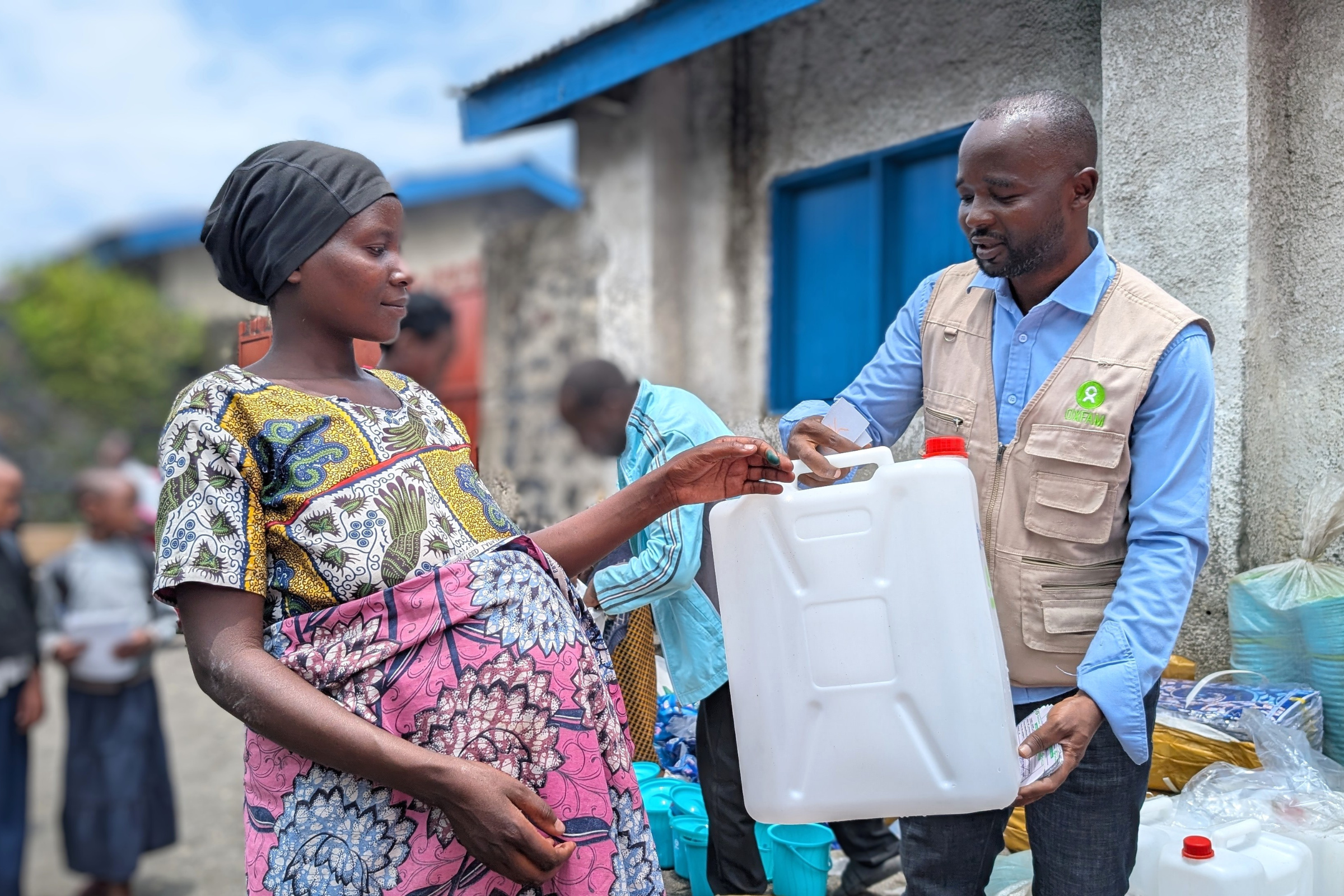
Photo credit: Yves Kalwira/Oxfam
« This epidemic is striking a country that has already been pushed to the limit. Ongoing conflicts and years of cuts to international aid have worsened a humanitarian crisis of staggering proportions: more than 26 million people are suffering from hunger in the DRC. »
Prolonged Conflict, Forced Displacement, and Humanitarian Funding Cuts Are Intensifying the Ebola Crisis
This crisis comes at a time when humanitarian funding is dangerously insufficient. Oxfam needs to raise the equivalent of CAD 16 million to strenghten its emergency response in the DRC and support the most vulnerable communities in Ituri and North Kivu.
Oxfam and its partners have the expertise needed to respond to this crisis, drawing on their experience in both West Africa and the DRC, particularly during the 2018 Ebola outbreak, when Oxfam played a leading role in advocating for community engagement to be placed at the centre of the response.
The fight against Ebola requires a rapid and effective response. Help us support the children, women, and men who are battling the epidemic every day. Your donation can make a difference.
Pour aller plus loin
 Découvrir des pays ayant des besoins humanitaires
Consulter nos projets durables à l’international
Faire un don pour soutenir nos projets